
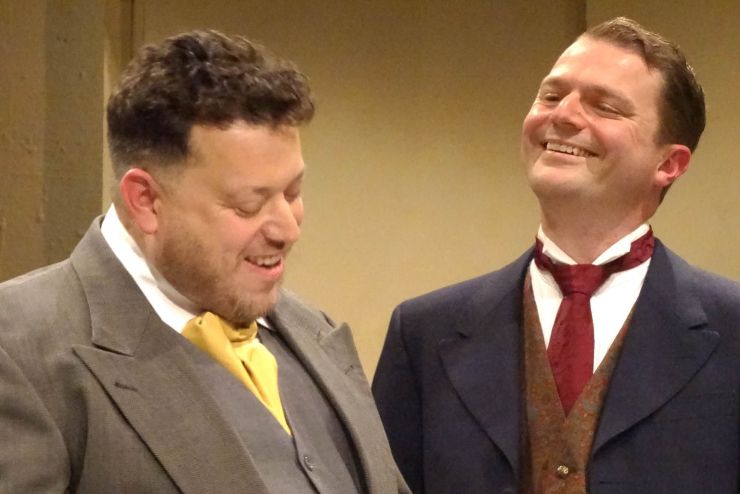
The issue with Oscar Wilde, or any classic playwright who is an undeniable genius, is that it looks easy; and directors will often make the mistake of thinking that being a great director is all it takes to put on one of their plays. So it is often with a mixture of hopefulness, trepidation, and giddy optimism approaching the theatre for this kind of play. Hopefully they will have studied Oscar Wilde, hopefully they will know all the layering and deeper meanings in the incredible text, hopefully they will have a cast that understands this too. So the first five minutes are often about breath holding. And here, followed very quickly, by a huge sigh of relief.
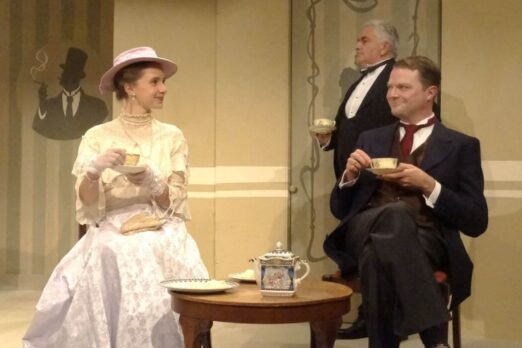
New Venture Theatre have put together the best version of this play that you are ever likely to see. The cast’s understanding of the text is like watching a Master’s Degree come to life, not only that, they all have the ability of letting the text breathe and live without any actor impositions or egos getting in the way. Oscar Wilde’s words come to life as rarely seen on stage and this is one of the finest assembly of actors with the honour of telling this story: not an easy task, as these characters are slightly larger than life, a little absurd, and mostly ridiculous. But this team, with the connection they have with each other, the trust they have, and all the background work they must have done to bring these characters to life as living breathing people, give us people that are real, and never played as comedy. For each of them, they believe they are the central character in their own story which each of them takes seriously. Which makes it all the more funny, as the frequent bursts of laughter in the audience attest to.
Even if you know the play really well, there are nuances here that you can hear for the first time. The themes that build and the repetitions and echoes throughout are brought out with a joy here, even the smallest aspects told seriously making them all the more funny. Curiously, we also find this is all still relevant: the focus we currently have as a society on image, on the right look, the right crowd, and the right name. It reflects back the time it was written, where the laughing audience didn’t realise they were the ones being laughed at; but also now, with our focus on material wealth and celebrity. Food for thought indeed. Or we can just laugh. The beauty of the material and particularly this production is that you can take it on any level you are comfortable with.
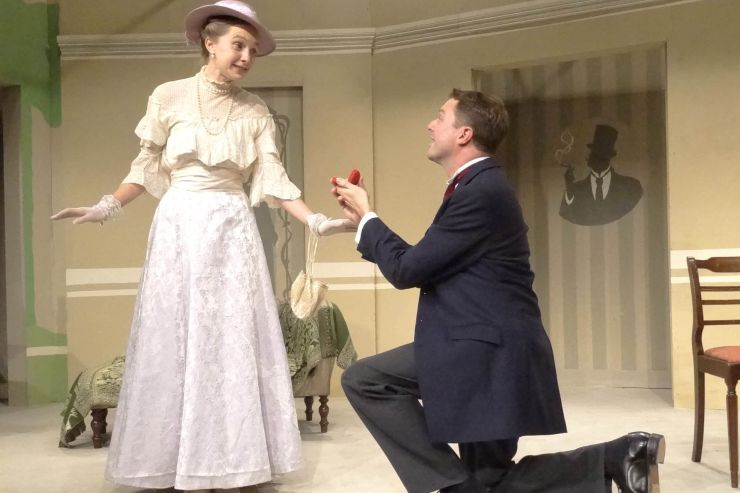
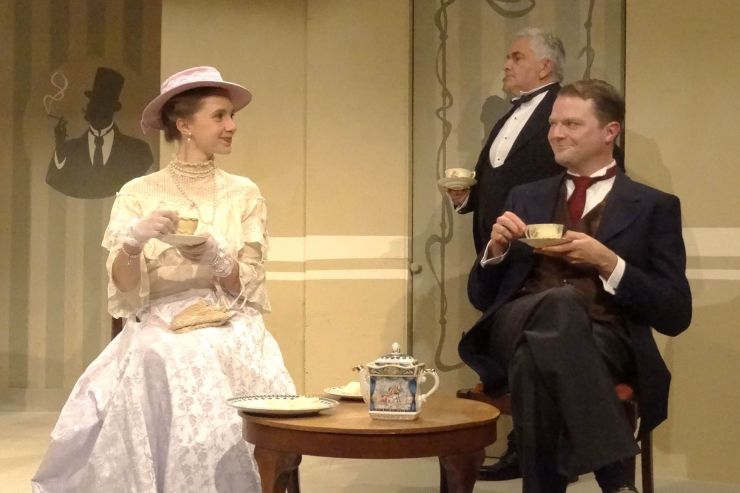
The casting is exceptional, considering that the joint lead of Algernon Moncrieff is a last minute addition due to the sudden illness of the previous cast member – with one week’s notice and only four rehearsals Sam Razavi delivers the most exquisite performance as Algernon that you are likely to see, as if it’s a role he was born to play. He manages to make the character likeable even when doing less than likeable things, and his arc from someone taking advantage of the situation to having fallen in love with Cecily is wonderfully natural despite being absurd, as all the arcs in this story are. His energy and almost playboy attitude drives the play, as the only character who can, as the rest behave in a far more stayed and restrained manner. Yet they are all so truthful and believable. It’s a fantastically tricky combination to play and they all do it beautifully.
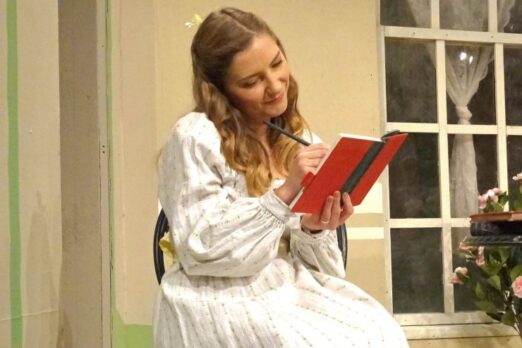
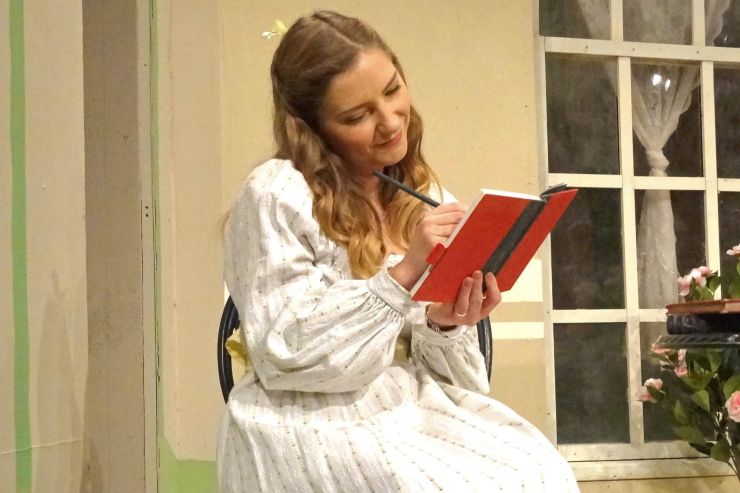
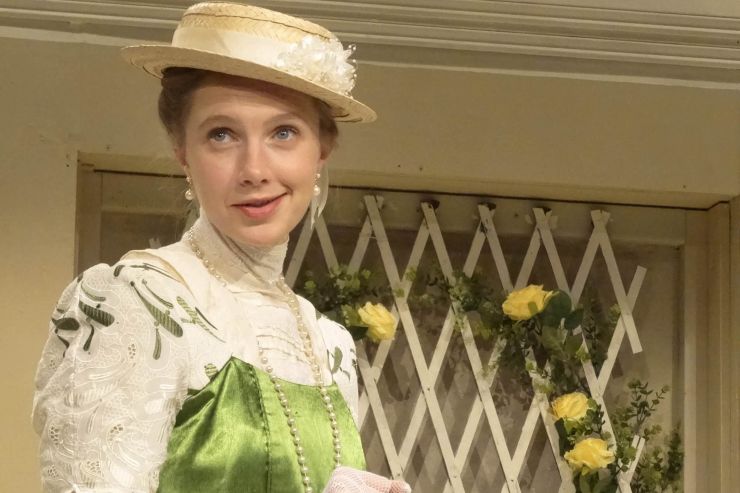
Jon Cottrell is Jack Worthing with lovely layering in character traits: we wonder at the beginning whether he really loves Gwendolen or whether she is simply the nicest girl he’s ever met and someone he can imagine being with. Yet when she confesses she loves him, he lets his guard down and we see that he loves her and is actually being protective of himself, something that we understand when we hear more about his background. This is skilfully done and never hammered home. Isabelle Boreham shines as Gwendolen, making her believable and not too haughty, the way she holds herself as the character is a joy to see. She is as completely bewilderingly bonkers, yet truthful and believable, as is Joanne-Joy Salter as Cecily Cardew, the slightly giddy naive youngster who still holds much of the power in the room, especially when faced with Algernon.
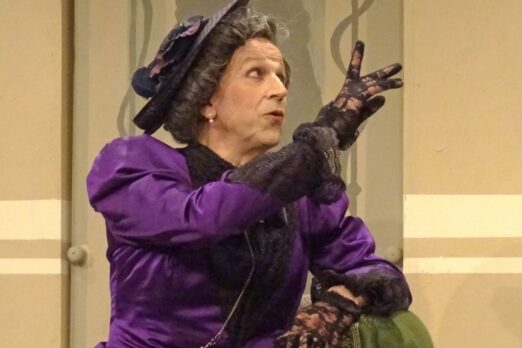
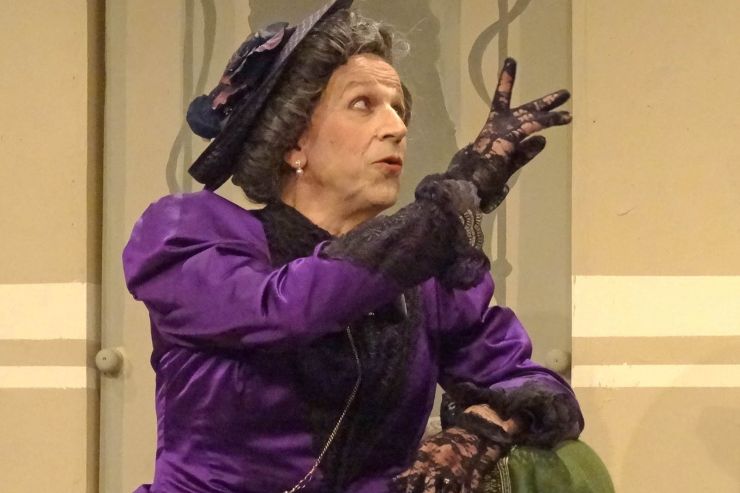
Jeremy Crow really is a perfect Lady Bracknell, making it all his own, having all the power in the room whenever s/he is in it, and never once dipping into pantomime. The famous lines she has, including “a handbag”, must be a challenge to any actor as it has developed the same legendary status as “To be, or not to be” or the often misquoted “Play it, Sam”, yet he delivers it so naturally in context it is brilliant. It’s of course possible to have issues with casting a man in a female role, especially with the ongoing invisibility issues of women, particularly older women, as Lady Bracknell is; for which juicy acting parts are few and far between. However, the programme explains that the casting process for Lady Bracknell was open to any gender and there is no denying that Jeremy Crow is absolutely stunning in the role which is delivered with total authenticity.
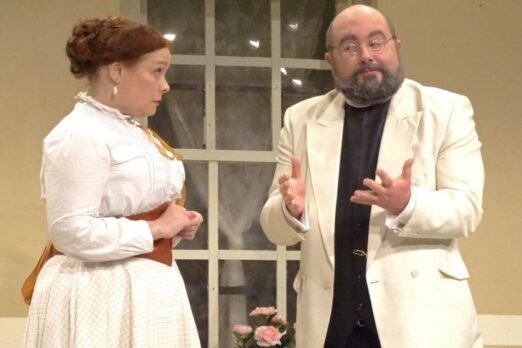
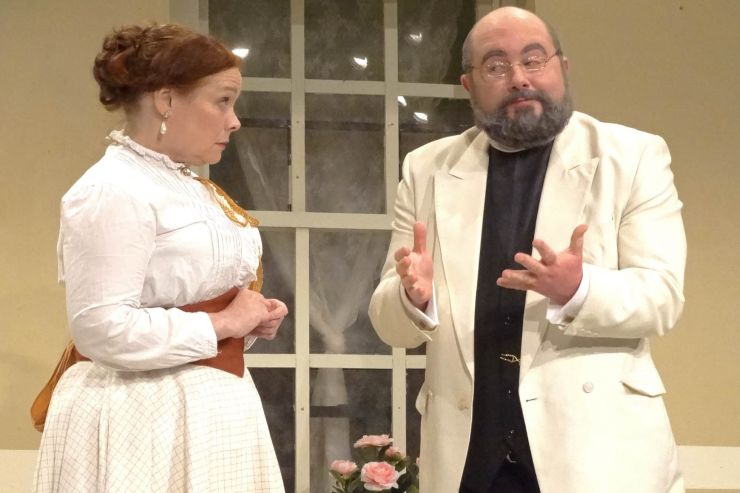
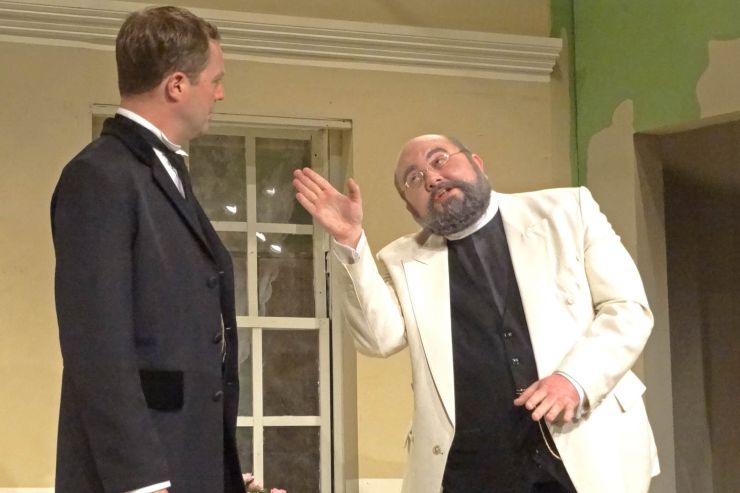
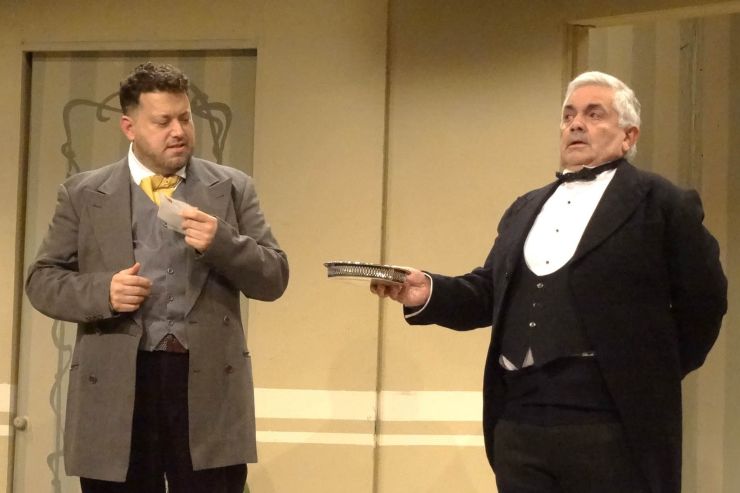
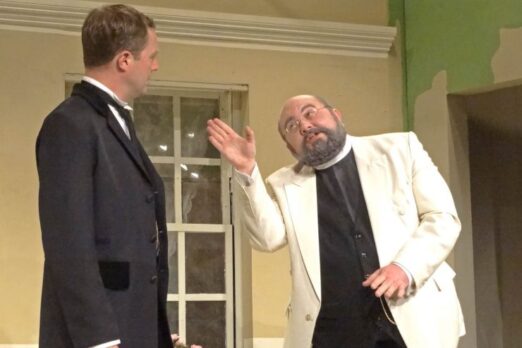
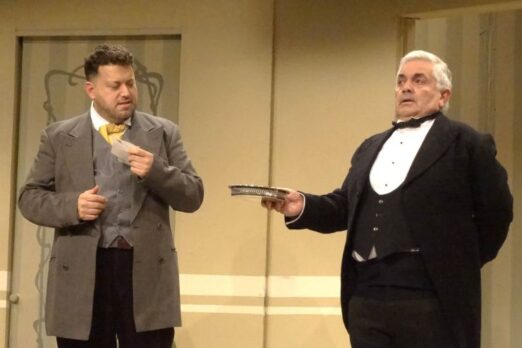
Sarah Donnelly makes a lovely Miss Prism who is just scatty enough, never a caricature; and Ben Pritchard is a wonderfully bumbling Doctor Chasuble who doesn’t really have a clue what’s going on. Their liking for each other is subtle, obvious to us but not to each other. Paul Trudgian as the ever patient servant is the one whose eyes we view them, with his knowing understanding of their ridiculousness. Staging for the play also works well, with the set changing slightly each time between the three acts, and the last one showing Gwendolen and Cicely looking out of the window in the reverse view of the act that we have just seen: such a brilliant choice. Having Jack and Algernon walk forward and sit on the edge of the stage for the end of their scene in Act two while the curtains close behind them so the set could be changed out of view is simply genius. It also means that thankfully no stage hands are ever in view, as whenever they are in productions they detract from the story and take us out of the moment.
Ayshen Irfan directs with a humbleness, grace and skill here making her direction gloriously invisible: the best kind, letting her cast shine with their own skills. We hope that she never loses this beautiful combination and continues to do more. Her study of Oscar Wilde, as she says was the subject of her dissertation, has paid off in spades; and her response to this: to say it was all her cast not her, is another sign of her respect for her cast and her team. “I want people to leave feeling joyous” she says, something she is most certainly succeeding in doing. This is an outstanding, five star worthy show: a standard other productions could envy. We are so lucky to have professional quality productions such as this in the heart of our city. The run is sold out but do try for a return ticket: this is unmissable.
New Venture Theatre, 11 November 2026
The Importance of Being Earnest runs until 14 November 2026
Photos credit: Strat Mastoris
