
Let’s face it, Playhouse Creatures is not for the faint hearted. It focuses on the time of the emergence of the actress during the Restoration period ruled by Charles the second: the Charlie who liked to party. He loved these “playhouse creatures” in more ways than one, as we discover through the play, sending carriages for a particular favourite’s use to visit him in the Palace. It’s a time of reclaiming creativity, coming out of a period of austerity and restrictions and religious vehemence imposed by Cromwell and his legacy. As such it needs to be viewed through this lens: where women were seen the ways Hamlet sees them: virgins or whores; and when they lose their purity of the former, they instantly become the latter.
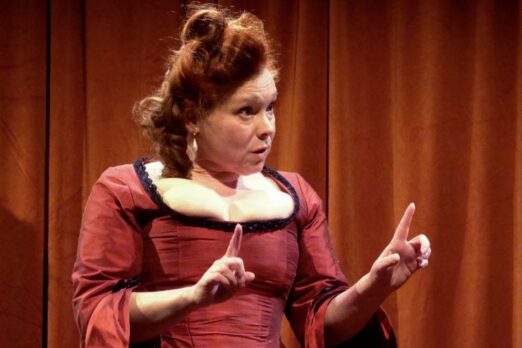
It’s a profound piece and also perhaps lesser known is that there are two versions. The original 1993 version features only the five women, and has a beautiful symmetry of starting and ending with only two remaining, meeting up years later. The strength is the focus on the five women pioneers themselves, each with their incredibly rich and tragic story arc. This 1997 version adding four other characters, two of them men, broadens the focus slightly to include the time period: the plight of all those involved. It changes the audience sympathy from the original plight of women, and the interesting parallels that could be drawn to the time we are living in at present, the allegory of The Handmaid’s Tale not far from our thoughts; and the thoughts we could have after the play: what options women have now, how some things – but not as many as you think – have changed in present day living; as well as the lowly way the acting profession is still viewed by many. By adding more, this version dilutes its focus and drama and most of all, it’s passion; becoming less by comparison.
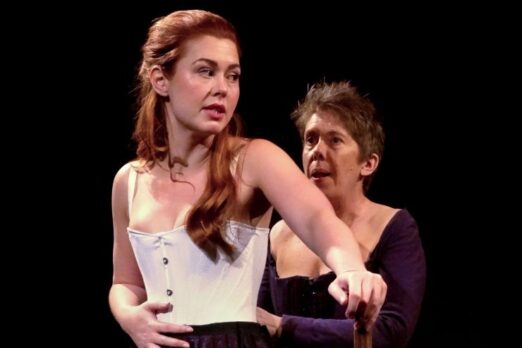
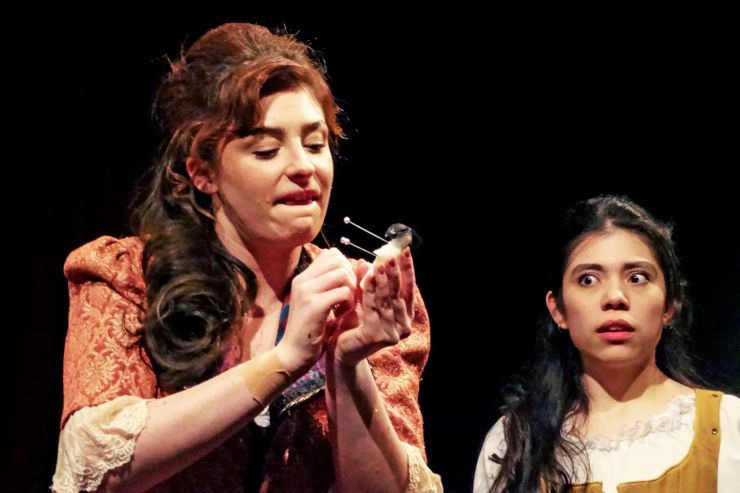
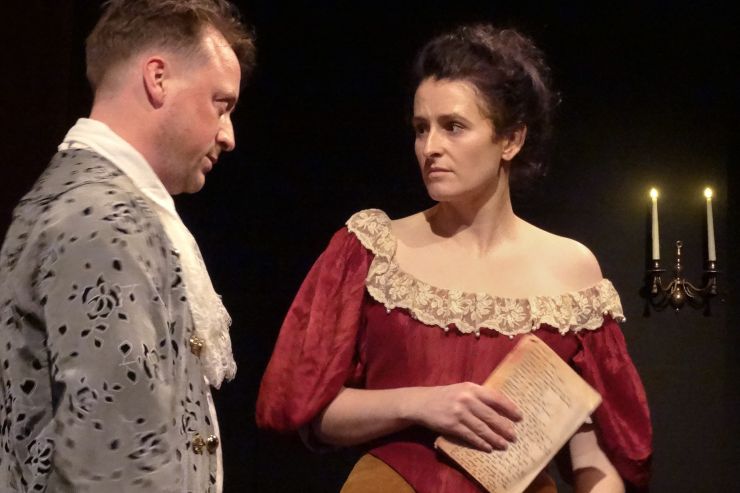
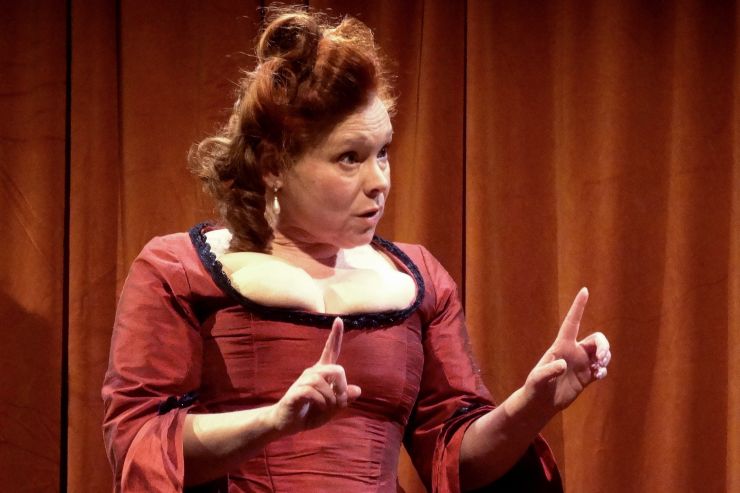
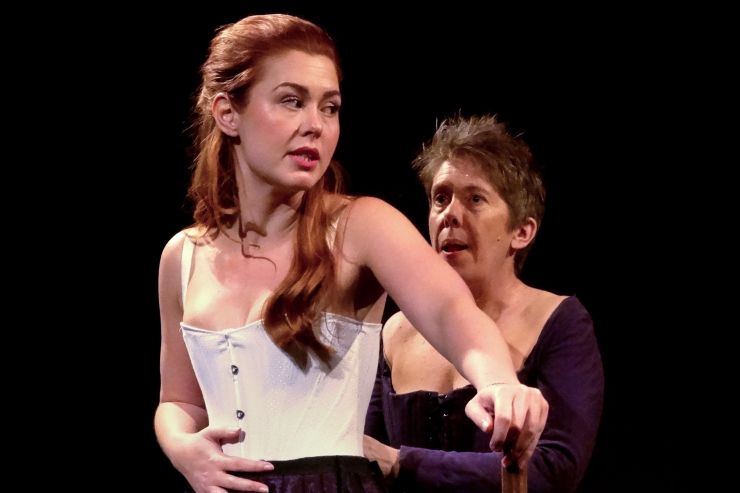
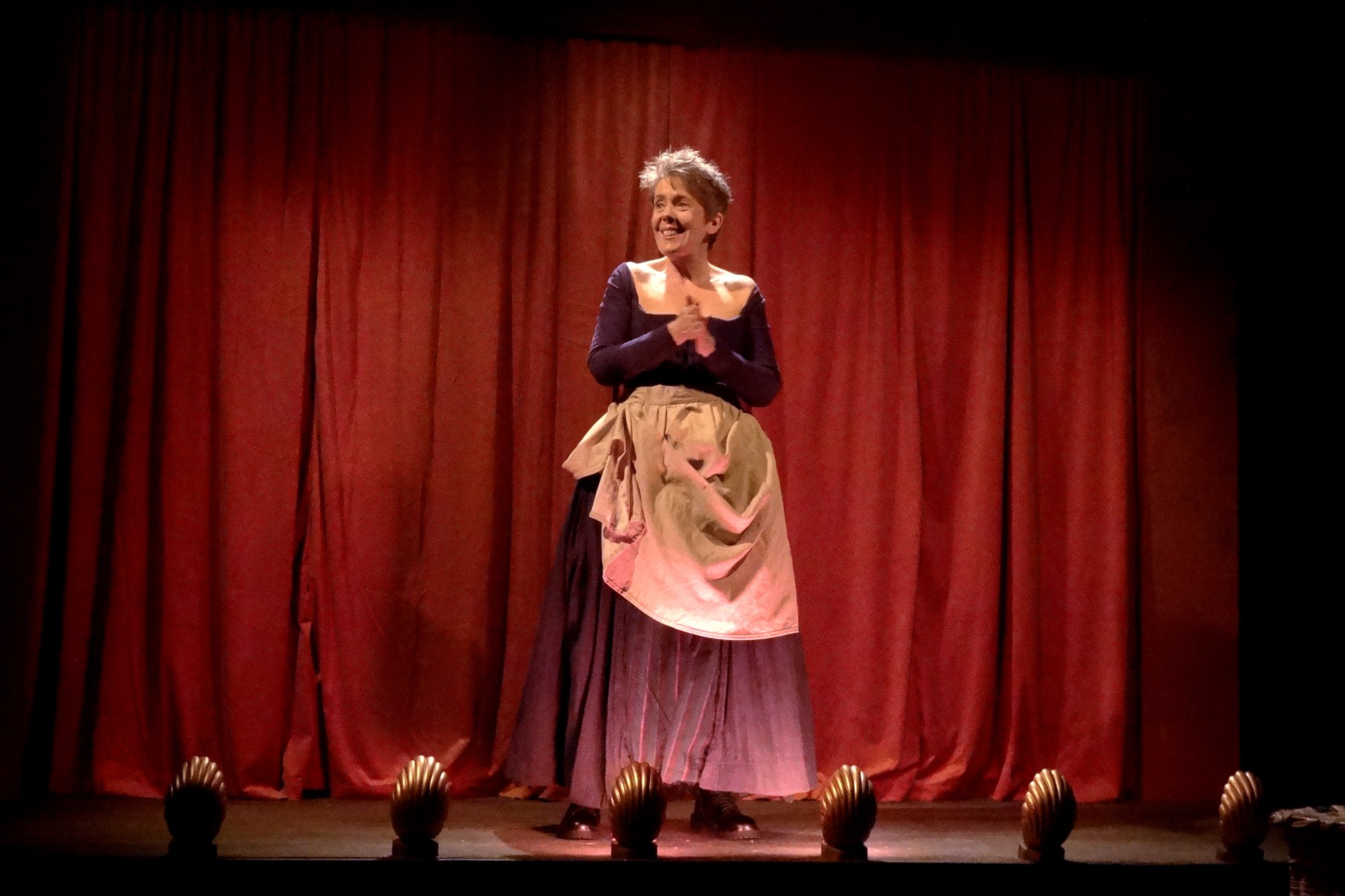
The scenes that remain including the abortion scene are still harrowing and uncomfortable viewing, very well staged in this production. Space and staging are very well used with interesting and period things to look at, with lovely lighting, including scalloped footlights. The play itself becomes more alive in the second act here, with some harrowing consequences played out with subtlety and nuance. Standing out from the start is Holly Moran as Mrs Elizabeth Farley, absolutely shining in energy, presence and detailed acting. Her speech to us as the crowd in the second Act is profoundly disturbing and tragic, delivered with authenticity and an enviable realism. Amelia Leigh has some lovely moments as Mrs Rebecca Marshall, including making her terrified tragic decision after just getting everything she wants.
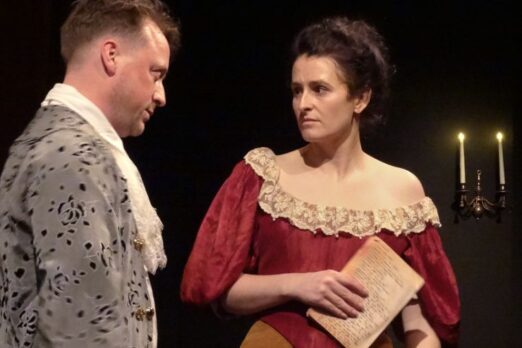
While the second act has all the punch, the first act has some funny moments which are funnier if they are played straight rather than played for comedy, which seemed to be happening here. The writing that haunts and lingers well after the play is finished is given to Mrs Betterton, played here by Sarah Donnelly, and the passage is said with resignation in a really interesting understated and subdued way, talking about her love of acting, and how she had secretly being playing male roles on stage for decades. This is such a profound piece of writing, even today, how many women need to adopt ‘male’ aspects often secretly to be taken seriously, among all the many other things this passage means, including the window of time for women on stage being so much shorter than men. There is also a lovely moment of the anguished parallel of Mrs Betterton with Lady Macbeth: “The Thane of Fife had a wife, where is she now…” delivered with such anguish and sensitivity. It’s a challenging play with uncomfortable truths and lessons to learn from history, from a time where women were openly just play-things for men, resonating with a lot of what we see around us today.
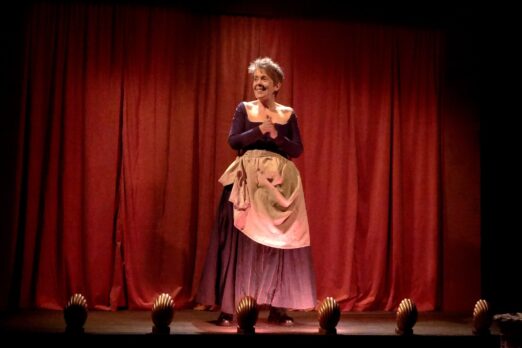
New Venture Theatre, 22 April 2026
Playhouse Creatures runs until 25 April 2026
Photos credit: Strat Mastoris
