
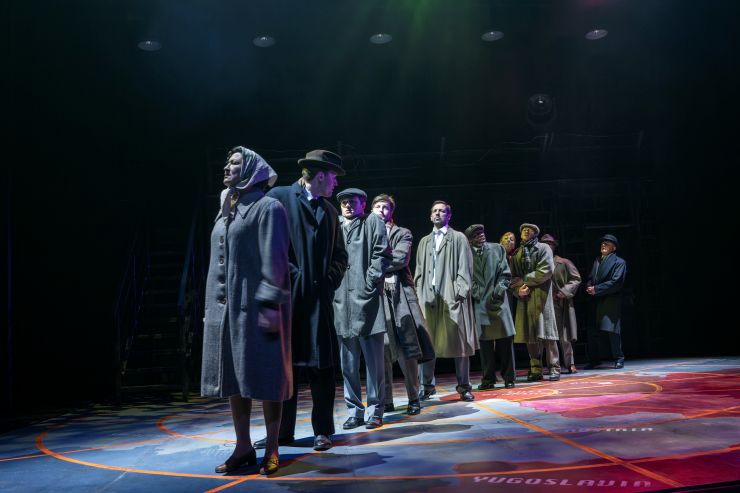
John Le Carré and George Smiley are very familiar names to anyone who loves a spy thriller, and many people will have the image of Sir Alec Guinness in their minds when they think of Le Carré’s protagonist, or possibly Gary Oldman in the film remake. It’s 1961, here we find an older Smiley, mentor to our spy who wanted to come in from the cold: Alec Leamas, but persuaded by revenge to go back one last time.
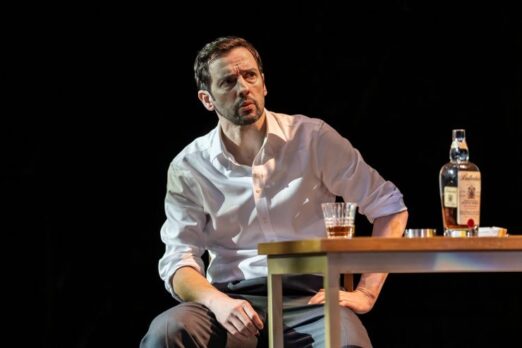
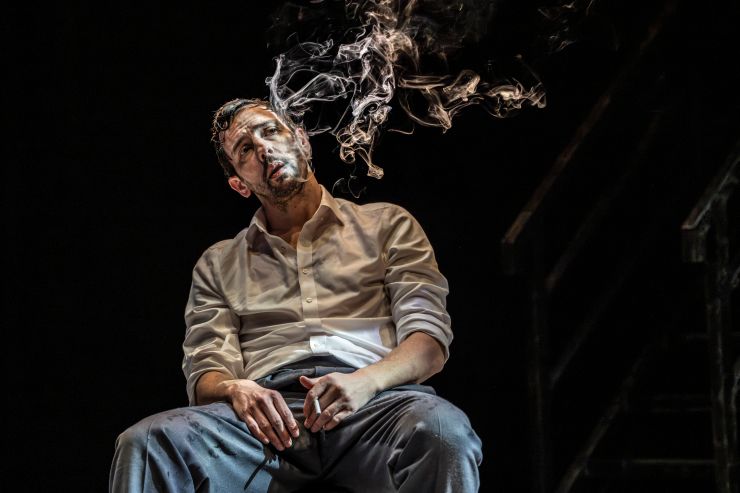
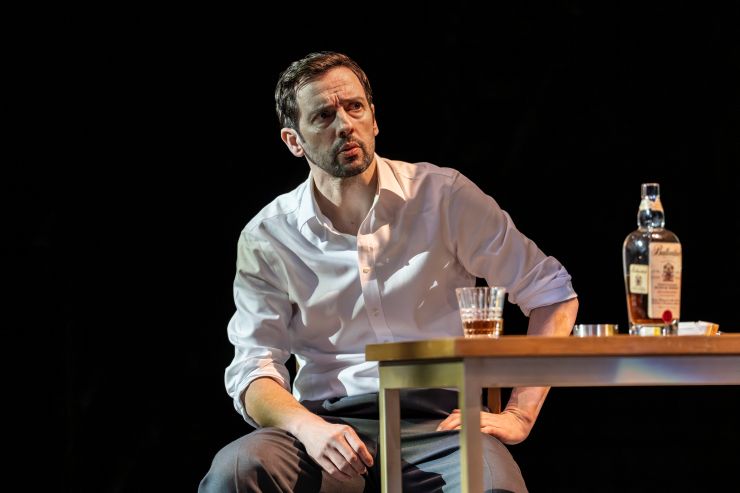
Ralf Little plays Leamas and while the character is rather unlikeable: estranged from his wife and uninterested in his children, wallowing in anger and the whisky bottle; he however brings a warmth to the character showing his inner grieving for the friend he lost during the last mission, who haunts him throughout. Little is superb, the driving force of the play, giving everything pace and energy: passionate, fierce, nuanced and has a grounded authority making him so compelling to watch in every single scene, and he is rarely off the stage. He holds the stage beautifully, building the tension to almost breaking point towards the end with a quiet sincere stealth so resonant with Le Carré’s style.
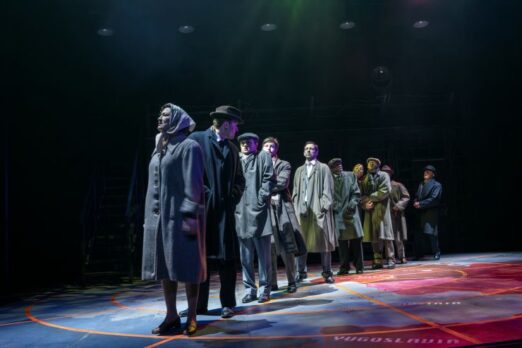
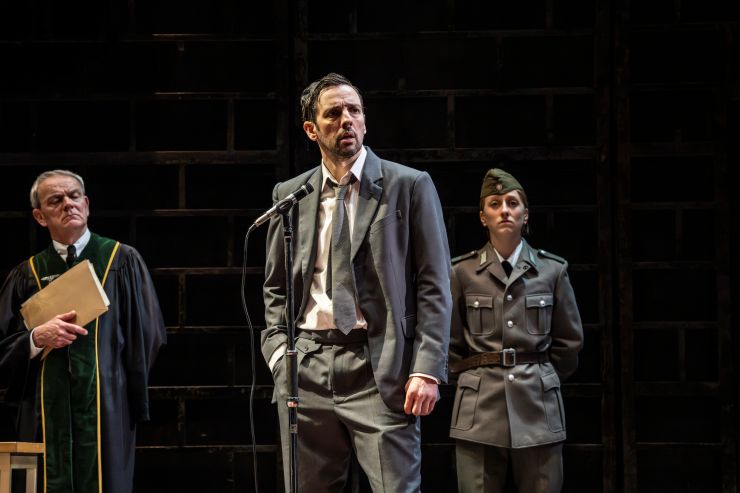
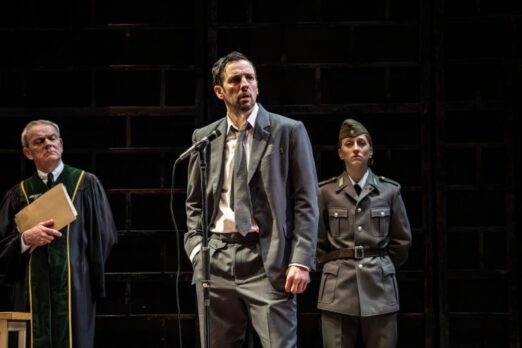
This production has assembled an inspiring team of actors who give each character the full treatment in portrayal. There is some multi-rolling and generally this works well, less so with the major characters such as Smiley and Control suddenly becoming part of the East German Tribunal, while other actors have no speaking parts.
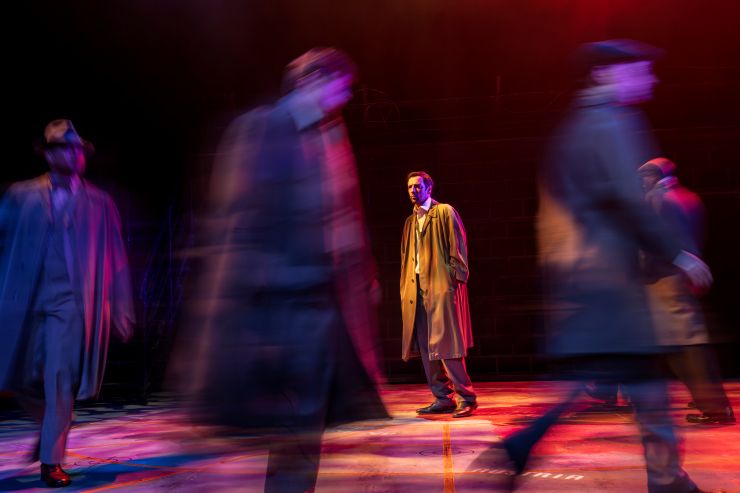
The set is backed by a section of wall, symbolising the divide in Berlin, between the East and West that Leamas talks about; it might be there as a reminder throughout but if it’s meant to be intimidating, as the Berlin Wall was, then that doesn’t land. A thin blue line of light appears intermittently around the frame of the wall and it’s unclear why. The searchlight is also quite faint which lessens impact of a truly tense moment.
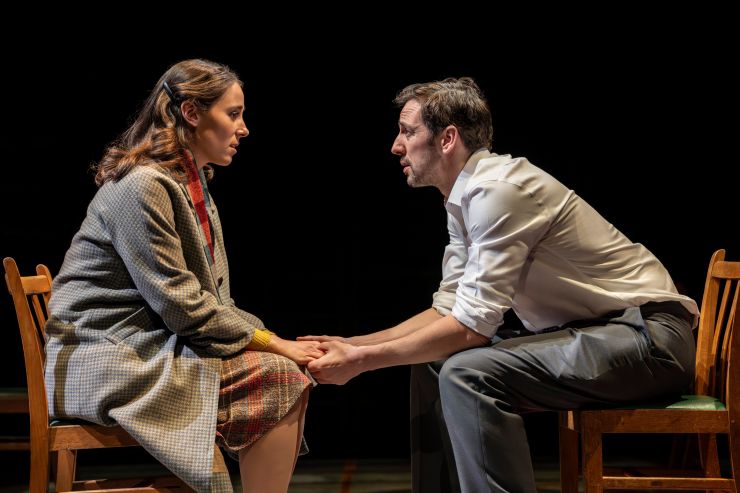
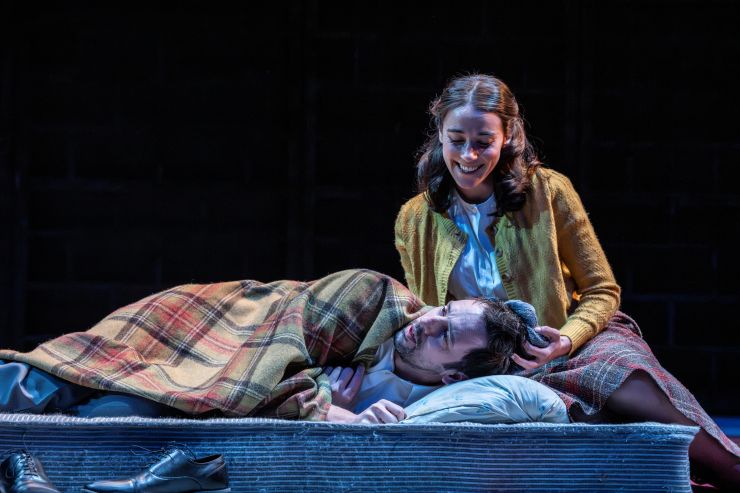
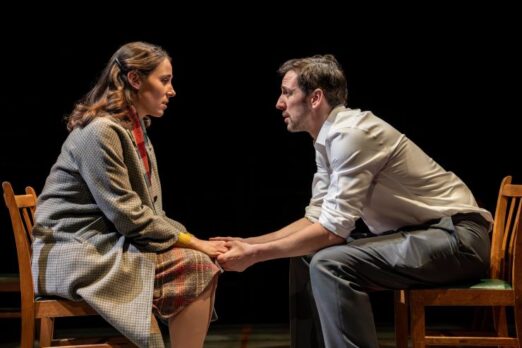
The trouble is that this is a play of two halves: the first focusses on exposition but unfortunately the design of the adaptation is more like chapter headings than full scenes. Many of the scenes are incredibly short, perhaps relying on the audience to have read the book and be able to read between the lines of the play they are watching. There are some lovely movement pieces in the first half, although the walking in circles goes on far too long. The too short focus on the love story leads to a dynamic between Leamas and Liz Gold that doesn’t develop properly, from that point it’s hard to accept the desperate love they have for each other. By the end of the first act we are starting to think the adaptation is aiming for style over substance.
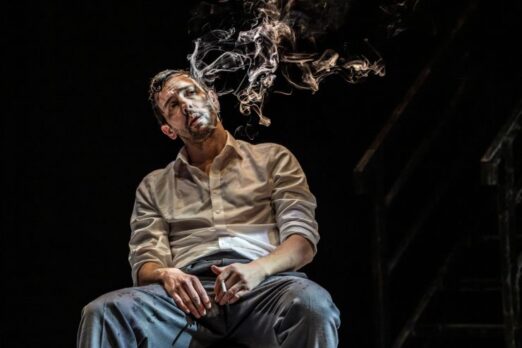
The second act is totally different: longer scenes, gripping action, twists and turns taking us to surprising and unexpected places. It leaves a flavour of the play as profoundly interesting, with respect for the story craft of Le Carré in terms of spy fiction, even if the love story aspects don’t land as fully as they might. One scene in the second half in particular is quite shocking and will haunt you, it’s so cleverly done and seems incredibly risky; one that leaves us in awe of Ralf Little. This is a stylish and gripping thriller, with a deeply satisfying spy story, even if the love story is more drama than reality. This is character acting at its finest, with a surprising story: fans of Ralf Little are in for a treat.
Theatre Royal Brighton, Tue 2 Jun 2026
The Spy Who Came In From The Cold runs until Sat 6 Jun 2026
Photo credit: Johan Persson
